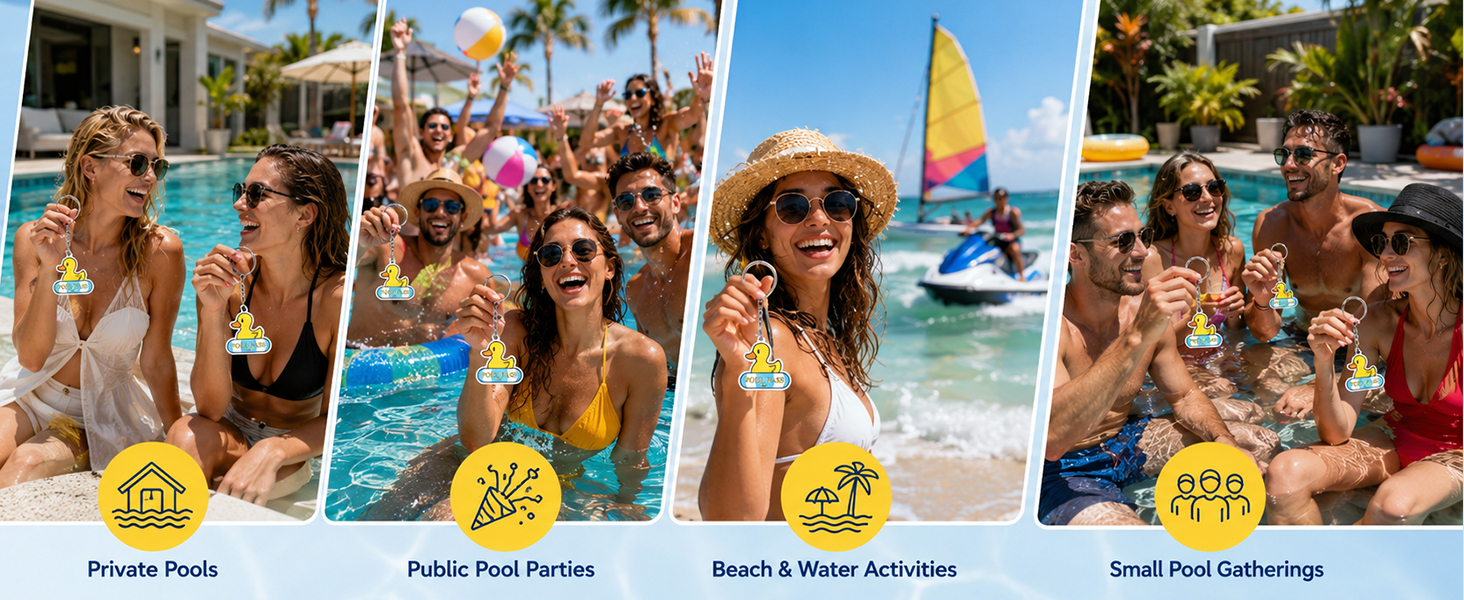
Pool Pass Tags, Numbered Tags, and Pool Tags: A Complete Guide for Smarter Water Access
Whether you manage a community pool, a resort, a water park, or a private club, the smallest details often determine how smoothly your facility runs. Pool pass tags, numbered tags, and pool tags may look simple, but they play a major role in access control, safety, revenue tracking, and guest experience. The right tag system can reduce check-in lines, prevent unauthorized entry, and give your team confidence about who is on the deck. This guide explains how to choose, design, and implement tags that work as hard as your lifeguards do.
Why Pool Tags Matter
Pool tags are practical tools that connect people to privileges. A tag can identify a season pass holder, a day guest, a staff member, a swim lesson student, or a private club member. When identity is clear, your front desk moves faster and your security team acts with confidence.
- Faster check-in: Guests show a tag instead of spelling names or searching for receipts.
- Accurate capacity: Numbered tags help staff count how many people are inside.
- Better security: Lost or stolen tags can be deactivated or replaced.
- Stronger branding: Custom colors and logos turn a utility item into a polished amenity.
In busy summer months, these small advantages add up. A faster line means fewer complaints, happier members, and more time for staff to focus on water safety.
Pool Pass Tags: More Than a Piece of Plastic
Pool pass tags are durable, waterproof credentials issued to regular visitors. They may attach to a lanyard, key ring, wristband, or bag tag. Some facilities use simple visual passes with color-coded designs. Others use scannable tags with barcodes, QR codes, or RFID chips. The best choice depends on your budget, traffic volume, and security needs.
A good pool pass tag does two jobs at once: it proves access rights and it speeds up the guest journey.
For smaller pools, a laminated pass with a photo and expiration date may be enough. For larger venues, RFID pool tags can link directly to a membership database, allowing touchless entry and automatic attendance logs. Day passes can be collected at closing or deactivated after a set time.
Numbered Tags: Order Out of Chaos
Numbered tags bring structure to any access system. Each tag carries a unique number, usually printed or engraved in a visible location. That number can link to a guest record, locker assignment, rental item, or family account. When every tag has its own identity, staff can resolve issues quickly.
- Sequential numbering: Easy for inventory and bulk issuance.
- Custom numbering: Useful for member IDs, cabin numbers, or group codes.
- Duplicate prevention: Unique numbers stop two people from using the same pass.
- Simple auditing: Missing or unreturned tags are easy to spot.
Numbered tags also help with emergency accounting. If a pool must be evacuated, staff can compare collected tags with the number of guests scanned in. That accuracy is difficult to achieve with handwritten lists or memory alone.
Pool Tags for Every Environment
Different facilities need different tag strategies. A neighborhood pool may prioritize low cost and bright colors. A luxury resort may want elegant metal or leather-look tags that match its brand. A water park may need wristbands that survive slides, wave pools, and sunscreen. Schools and municipal pools often prefer numbered plastic tags because they are affordable, replaceable, and easy to store.
Outdoor pools face sun, chlorine, salt, and heat. Indoor pools face humidity and constant moisture. A tag that works in a desk drawer may fail after one week in a pool bag. Material selection matters as much as design.
Materials That Survive Chlorine and Sun
The most reliable pool tags are made from waterproof and UV-resistant materials. PVC, vinyl, polypropylene, and laminated plastic are common choices. For premium settings, stainless steel or anodized aluminum can create a durable, upscale look. If you choose fabric wristbands, look for quick-dry, fade-resistant material with a secure closure. Test samples in real pool conditions before placing a large order.
Design and Customization
Custom pool tags can be functional and attractive. Use color to separate pass types: blue for members, yellow for day guests, red for staff, green for lessons. Add your logo, phone number, website, or rules on the back. Keep the most important information large and readable.
- Front: Logo, tag type, and large number.
- Back: Rules, expiration date, or contact information.
- Color: A quick visual cue for staff and guests.
- Shape: Standard rectangles are practical; custom shapes add brand personality.
Design should never slow down check-in. If a tag is beautiful but the number is tiny, staff will struggle during busy periods. Prioritize clarity first, then style.
How to Implement a Tag System
- Audit access points: Identify every entrance, gate, and staff-only area.
- Define pass types: Season, day, staff, guest, lesson, and rental.
- Choose numbering: Decide whether you need sequential, custom, or smart tags.
- Select materials: Match durability to your environment and budget.
- Train staff: Create simple scripts for issuing, scanning, and replacing tags.
- Track inventory: Log every tag number and its assigned user.
- Review regularly: Update designs and rules as your facility grows.
Common Mistakes to Avoid
Many pool operators buy tags without a plan. They order too few, choose weak materials, or forget to record numbers. Others make tags too easy to copy or too difficult to read. Avoid using the same number for multiple tags, and never rely on color alone to distinguish access levels. Always keep a backup supply for replacements, and set a clear policy for lost tags.
The Bottom Line
Pool pass tags, numbered tags, and pool tags are small investments with a large impact. They streamline entry, improve safety, protect revenue, and strengthen your facility’s professional image. Choose durable materials, clear numbering, and thoughtful design. Then train your team to use the system consistently. When every tag has a purpose, every guest can enjoy the water with fewer delays and more confidence.
Comments are closed