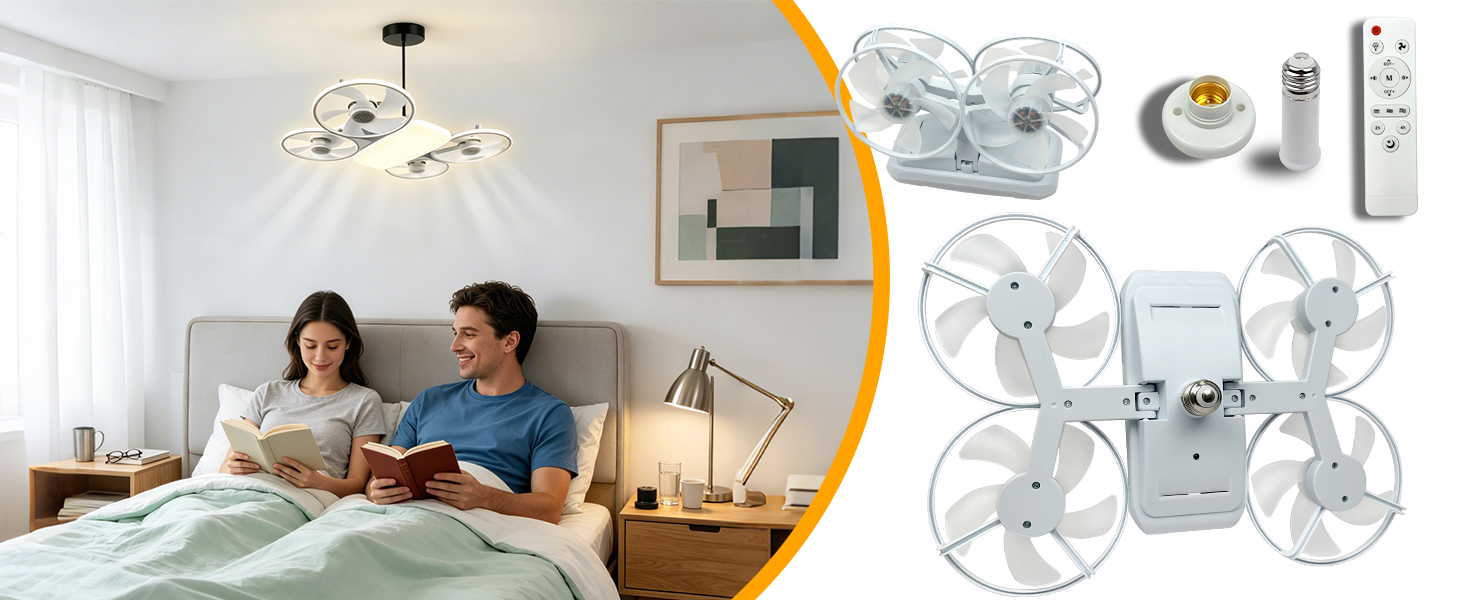
Ceiling Fan Light, Drone Ceiling Fan, and Ceiling Fan with Remote: A Practical Guide to Modern Ceiling Comfort
Ceiling fans have moved far beyond the basic pull-chain fixture. Today’s models blend lighting, airflow, smart control, and striking design into one ceiling-mounted product. That shift has made the buying process more exciting—and more confusing. Three terms come up often: ceiling fan light, drone ceiling fan, and ceiling fan with remote. Each points to a different set of features, and understanding those differences can help you choose a fan that fits your room, lifestyle, and budget.
This guide breaks down what each option means, where it works best, and what to check before you buy. Whether you are upgrading a bedroom, finishing a living room, or outfitting a home office, the right combination of light, airflow, and control can make the space more comfortable all year.
What Is a Ceiling Fan Light?
A ceiling fan light is a ceiling fan with an integrated lighting fixture. Instead of installing a separate fan and light, you get one unit that handles both air circulation and illumination. This is especially useful in rooms with limited ceiling space or few electrical outlets.
Modern ceiling fan lights often use LED modules because they are energy-efficient, long-lasting, and available in multiple color temperatures. Some models let you switch between warm white, neutral white, and daylight white, which helps match the room’s mood and task needs.
Why choose one?
- Space-saving design: One fixture instead of two keeps the ceiling cleaner.
- Better room balance: Integrated light spreads illumination from the center of the room.
- Convenience: Many models include dimming and color-tuning features.
- Fewer installations: A single electrical connection can power both fan and light.
When shopping for a ceiling fan light, check the lumen output, color temperature range, and whether the light is dimmable. Also confirm that the fan is rated for the room’s size. A large fan in a small room can feel overpowered, while a small fan in a large room may not move enough air.
Drone Ceiling Fan: Design Meets Airflow
The term drone ceiling fan usually describes a fan with a compact, futuristic, drone-like housing. These fans often feature enclosed or hidden blades, a low-profile body, and a modern aesthetic that stands out from traditional blade-and-motor designs. The “drone” label is mostly about form, but it can also suggest advanced control and smart features.
Drone-style ceiling fans are popular in contemporary interiors because they look clean and architectural. Many are designed for rooms where visual clutter is unwanted, such as minimalist living rooms, studios, and modern bedrooms. Some models include integrated LED lighting, while others focus on airflow and remote operation.
What to consider before buying
- Airflow performance: A striking design still needs strong CFM ratings and good blade engineering.
- Ceiling height: Low-profile drone fans suit rooms with lower ceilings, but always check clearance.
- Noise level: Enclosed designs can be quiet, but motor quality matters more than shape.
- Cleaning: Hidden blades may reduce dust buildup, but housings still need regular wiping.
- Lighting integration: Decide whether you want a built-in ceiling fan light or separate lighting.
Design tip: A drone ceiling fan can act as a visual centerpiece. Keep the rest of the ceiling simple so the fixture stands out for the right reasons.
Ceiling Fan with Remote: Convenience at Your Fingertips
A ceiling fan with remote gives you control without stretching for a pull chain or wall switch. Most remotes adjust fan speed, turn the light on or off, and dim the light when the fixture supports it. Some also include reverse-direction controls for seasonal airflow.
Remote control is especially helpful in bedrooms, high-ceiling rooms, and accessible living spaces. If the fan is mounted above a bed or in a large room, a remote can make daily use far more comfortable. Many modern remotes also pair with wall holders, so you can keep the control within reach.
Remote features worth checking
- Speed settings: Look for at least three speeds; more speeds offer finer control.
- Light dimming: Useful if the fan includes a ceiling fan light.
- Reverse mode: Helps circulate warm air in winter and improve comfort.
- Battery type: Confirm whether the remote uses standard or specialty batteries.
- Wall mount: A dock keeps the remote from getting lost.
If you want more than a handheld remote, look for models with app control, voice assistant compatibility, or smart home integration. These features can add convenience, but they are not essential for everyone. A well-designed remote with clear buttons and reliable signal strength is often enough.
How to Choose the Right Combination
The best choice depends on the room and how you use it. A ceiling fan light is ideal when you want a single fixture for both airflow and illumination. A drone ceiling fan makes sense when design is a priority and you want a sleek, modern focal point. A ceiling fan with remote is a strong pick when convenience and accessibility matter.
Many products combine all three: a drone-style fan with an integrated LED light and a remote control. Before buying, compare airflow ratings, light output, noise levels, installation requirements, and warranty terms. Also confirm whether the fan is damp-rated or wet-rated if you plan to use it in a bathroom, covered porch, or other moisture-prone area.
Final Thoughts
Ceiling fans are no longer one-size-fits-all fixtures. A ceiling fan light brings practical illumination, a drone ceiling fan adds bold modern style, and a ceiling fan with remote improves everyday control. By matching these features to your room’s size, ceiling height, and design goals, you can enjoy better comfort with less effort—and a ceiling that looks intentional rather than crowded.
Comments are closed