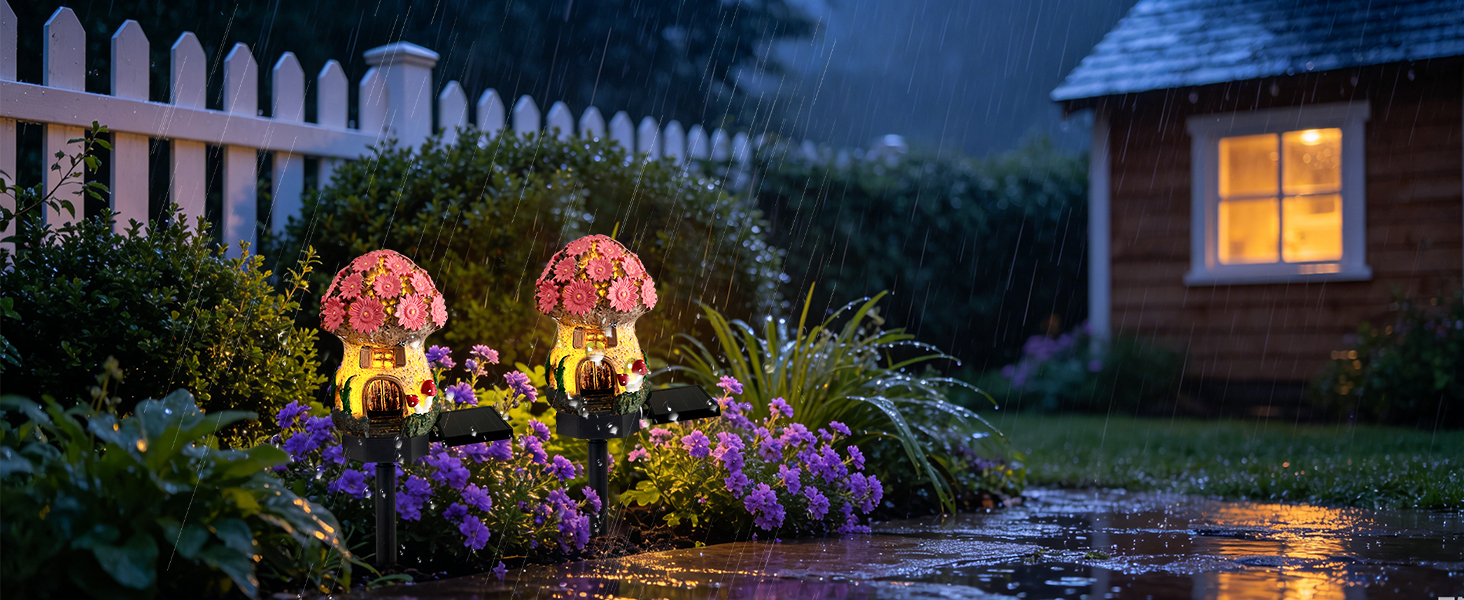
Solar Pathway Lights: A Bright Upgrade for Safer, Greener Outdoor Spaces
Few outdoor upgrades deliver as much everyday value as well-placed pathway lighting. They guide guests to your door, reduce trip hazards after sunset, and give a landscape a warm, welcoming glow. Solar pathway lights make that upgrade even more appealing because they install without trenching, wiring, or a call to an electrician. By harnessing daylight and storing it for nighttime use, these compact fixtures offer a practical blend of safety, style, and energy savings. Whether you are refreshing a small garden path or lighting a long driveway, solar lights can transform the way your outdoor space feels after dark.
Why Solar Pathway Lights Are Worth Considering
Traditional landscape lighting can be beautiful, but it often requires conduit, transformers, timers, and ongoing electricity use. Solar pathway lights simplify the equation. Each unit is essentially a self-contained lighting system: a small solar panel collects energy during the day, a rechargeable battery stores it, and an LED bulb provides illumination at night. The result is a flexible, low-maintenance lighting option that works especially well along walkways, garden beds, patios, and rustic trails.
- No wiring required: Place lights wherever sunlight is available—no digging trenches or hiring an electrician.
- Lower running costs: Sunlight charges the battery, so you are not adding to your electricity bill.
- Flexible placement: Rearrange fixtures as your landscape evolves or as seasons change.
- Weather-ready designs: Most quality models are built to withstand rain, dust, and normal outdoor exposure.
A well-lit path is not just about decoration; it is about confidence, comfort, and a safer walk from the driveway to the front door.
How Solar Pathway Lights Work
The technology behind solar pathway lights is simple, but the details matter. A photovoltaic panel converts sunlight into electricity, which charges a rechargeable battery—usually lithium-ion or NiMH. At dusk, a built-in sensor turns the LED on automatically. Runtime depends on panel quality, battery capacity, and how much direct sun the fixture receives.
- Daytime charging: The solar panel absorbs sunlight and converts it into stored energy.
- Dusk detection: A light sensor activates the fixture when ambient light drops.
- Nighttime illumination: The LED emits a steady glow, often for six to ten hours depending on the model.
- Morning recharge: The light switches off, and the cycle begins again as daylight returns.
Key Components That Deserve a Closer Look
Solar panel quality affects charging speed, while battery capacity determines how long the light stays on. LED output controls brightness, and housing material influences durability. For reliable performance, look for models with sealed battery compartments, corrosion-resistant finishes, and clear specifications rather than vague promises.
Design and Style Choices for Every Landscape
Solar pathway lights come in a surprising range of shapes and finishes. Modern homes may suit sleek metal cylinders or low-profile square fixtures, while cottages and garden settings often pair beautifully with lantern-style lights or stake-mounted designs. The goal is to complement your architecture and planting plan without letting the fixtures become visual clutter.
- Stake lights: Ideal for lining flower beds, lawns, and narrow walkways.
- Bollard lights: A taller, more substantial option for driveways and patio edges.
- Lantern styles: Classic and decorative, perfect for traditional or cottage-inspired exteriors.
- Deck and step lights: Compact fixtures that improve visibility on stairs and raised platforms.
Brightness, Runtime, and Performance Expectations
Solar pathway lights are generally designed for accent and safety lighting rather than floodlight-level brightness. That is usually exactly what a pathway needs: enough light to reveal edges, steps, and uneven ground without creating glare. Lumens, color temperature, and beam spread all shape the final effect. Warm white light tends to feel inviting, while neutral white can look crisper and more contemporary.
Runtime varies widely. Budget models may glow for only a few hours, while higher-capacity fixtures can stay lit through the night. In winter or during cloudy stretches, performance may drop—this is normal. If a light dims early, check the solar panel for dirt, reposition the fixture for more sun, or replace the battery if it has reached the end of its useful life.
Installation Tips for Better Results
- Choose sunny spots: Place panels where they receive direct sunlight for most of the day.
- Space evenly: Keep consistent distances between fixtures for a balanced look.
- Avoid shade traps: Tree canopies, walls, and shrubs can block charging even if the area feels bright.
- Secure the stakes: Firmly seat lights into soil, especially along slopes or windy walkways.
- Clean the panels: Dust, pollen, and leaves reduce charging efficiency, so wipe panels periodically.
Maintenance and Long-Term Value
Solar pathway lights are low maintenance, not zero maintenance. A quick seasonal check can keep them performing well: clean the panels, trim nearby plants, and confirm that each fixture turns on at dusk. Batteries may need replacement after a few years, and that small step can extend the life of the entire unit. Compared with wired systems, the long-term value is considerable—no electricity draw, no professional installation, and no complicated controls.
Common Mistakes to Avoid
- Ignoring sunlight: Even the best fixture cannot perform well in deep shade.
- Overcrowding the path: Too many lights can look busy; aim for rhythm and restraint.
- Choosing style over durability: A beautiful light that cracks or fogs after one season is not a bargain.
- Expecting floodlight brightness: Solar path lights are best used for guidance, ambiance, and safety.
Final Thoughts
Solar pathway lights offer an accessible way to improve outdoor safety and atmosphere without adding wiring, energy costs, or installation hassle. With thoughtful placement, realistic expectations, and a little seasonal care, they can turn an ordinary path into a welcoming nighttime feature. Whether your goal is a safer walkway, a more polished garden edge, or a greener approach to outdoor lighting, solar pathway lights are a smart, stylish place to start.
Comments are closed