Bird Feeders & Outdoor Accessories: Create a Backyard Haven for Birds
A quiet morning can become a small spectacle when a finch lands on a feeder, a blue jay announces itself from a fence post, and a hummingbird hovers near a bright flower. Turning a plain yard, balcony, or patio into a bird-friendly retreat is easier than many people expect. With the right Bird Feeders & Outdoor Accessories, you can support local wildlife, enjoy daily entertainment, and add natural beauty to your outdoor space.
Why the Right Setup Matters
Birds are creatures of habit, but they are also quick to abandon a space that feels unsafe or unreliable. A successful backyard habitat offers three essentials: food, water, and shelter. Feeders provide concentrated nutrition, especially during migration and cold months. Water supports bathing and drinking. Shrubs, trees, and nesting boxes offer protection from weather and predators.
When these elements work together, your garden becomes more than a feeding station. It becomes a living landscape. You may notice different species arriving throughout the year, each with its own preferences for seed, height, and cover.
Choosing the Right Bird Feeder for Your Space
Not every feeder suits every yard. The best choice depends on the birds you want to attract, the space you have, and how much maintenance you are willing to do. Consider these popular styles:
Platform Feeders
Platform feeders are open trays that attract a wide variety of birds, including cardinals, sparrows, and mourning doves. They are easy to fill and clean, but they offer little protection from rain. Place them where seed hulls will not create a mess on walkways.
Hopper Feeders
Hopper feeders store a larger amount of seed and release it gradually. They work well for mixed seed blends and are ideal for gardeners who want fewer refills. A roof helps keep food drier, while perches allow birds to feed comfortably.
Tube Feeders
Tube feeders are excellent for smaller birds such as chickadees, titmice, and goldfinches. Many models include multiple ports and discourage larger birds from dominating the food supply. Fine mesh or metal ports can also reduce wear from squirrels.
Specialty Feeders
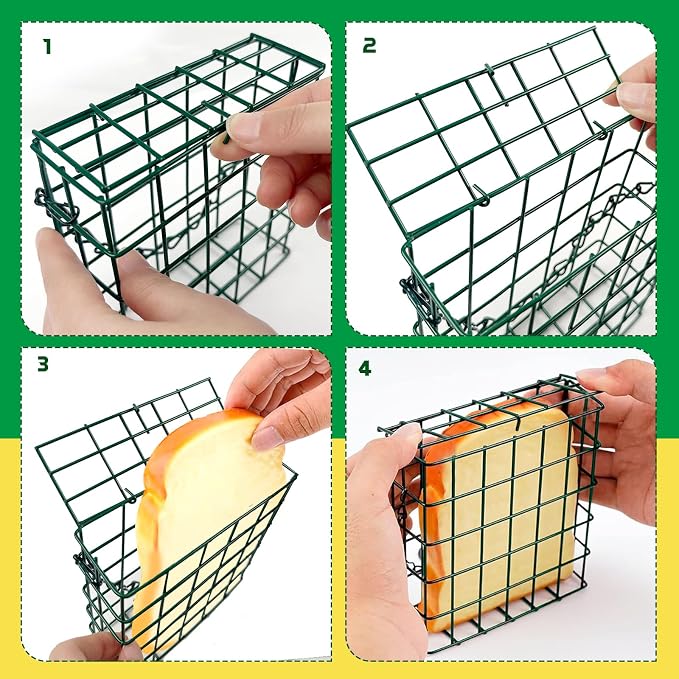
Specialty feeders target specific species. Suet cages attract woodpeckers and nuthatches. Nectar feeders welcome hummingbirds and orioles. Nyjer feeders appeal to finches. If you want a diverse bird community, a mix of feeder types is often the most rewarding approach.
Beyond the Feeder: Outdoor Accessories That Complete the Habitat
Feeders are only one part of the picture. The most inviting gardens also include well-chosen outdoor accessories that make birds feel secure and encourage them to linger. These additions can be practical, decorative, or both.
- Birdbaths and water drippers: Moving water catches a bird’s eye and stays cleaner than still water. A shallow bath with a gentle slope gives birds a safe place to drink and bathe.
- Nesting boxes: Species-specific boxes support bluebirds, chickadees, wrens, and other cavity nesters. Mount them away from busy doors and direct afternoon sun.
- Squirrel baffles: These guards protect your seed supply and reduce frustration. Pole-mounted baffles and cage-style feeders are especially effective.
- Seed storage containers: Airtight bins keep seed fresh and discourage pests. Store seed in a cool, dry place and use it within a few months.
- Decorative stakes and hanging hooks: Thoughtful hardware lets you arrange feeders at different heights, which reduces competition and creates a more dynamic garden view.
Designing a Bird-Friendly Garden Through the Seasons
Spring and Summer
Spring is a time of arrival and nesting. Offer suet, mealworms, and nectar as birds recover from migration. Leave patches of native flowers for insects, which many birds rely on to feed their young. Keep water fresh, especially during hot spells.
Autumn and Winter
Autumn is a time of preparation. High-fat foods such as black oil sunflower seed, peanuts, and suet help birds build reserves. Evergreen shrubs and dense trees provide crucial cover. In freezing weather, check that water is not solid ice and refill feeders before storms arrive.
Cleaning, Safety, and Responsible Feeding
A beautiful setup still needs routine care. Dirty feeders can spread disease, so consistency matters more than perfection. Follow a simple schedule:
- Clean weekly: Scrub feeders with hot soapy water or a diluted bleach solution, then rinse thoroughly and dry completely.
- Replace wet seed: Damp seed can grow mold quickly. Discard clumps and clean the feeder before adding fresh food.
- Watch for crowding: Add more feeding ports or separate feeders if birds are squabbling or waiting in long lines.
- Secure against predators: Keep feeders ten to twelve feet from low cover, or close enough to dense shrubs that birds can escape quickly.
- Use quality food: Fresh seed, clean suet, and proper nectar keep birds healthy and coming back.
Quick tip: Place feeders where you can see them from a window, but not so close that birds collide with glass. Decals, screens, or external blinds can reduce window strikes.
Final Thoughts
A bird-friendly outdoor space does not require a large property or an expensive redesign. Start with one well-placed feeder, add a reliable water source, and build from there. As the seasons change, you can adjust your offerings and accessories to match the birds that visit. The result is a garden that feels alive, welcoming, and endlessly interesting—one small visitor at a time.
Comments are closed