Outdoor Lighting That Glows: How Solar Path Lights and Solar Figurine Lights Transform Your Yard
Outdoor lighting is no longer just about chasing away darkness. It shapes mood, improves safety, and gives your garden a personality after sunset. Among the easiest and most rewarding upgrades are solar path lights and solar figurine lights. They install in minutes, run on free sunshine, and add warmth without wiring or rising electricity bills.
Why Solar Outdoor Lighting Is a Smart Upgrade
Solar lights have come a long way from the dim, plastic stakes of the past. Modern models use efficient LED bulbs, better batteries, and smarter solar panels. That means brighter light, longer runtime, and more attractive designs. You can line a walkway, highlight a flower bed, or place a glowing rabbit near a shrub—all without hiring an electrician.
- No wiring: Set them where you want, then move them whenever inspiration strikes.
- Low running cost: Sunlight charges them during the day, so they glow at night for free.
- Eco-friendly: They reduce energy use and require no outdoor outlets.
- Weather-ready: Many are designed to handle rain, snow, and heat.
Solar Path Lights: Safety, Style, and Soft Guidance
Solar path lights are the workhorses of an outdoor lighting plan. They define walkways, mark steps, and keep guests from stumbling in the dark. But they also do something subtler: they create rhythm. A gentle row of warm-white lights can make a plain path feel intentional and inviting.
Placement Matters More Than Quantity
Instead of lining every inch, space path lights evenly along one side of a walkway or alternate them for a softer look. Keep them away from sprinklers, thick mulch, and tall grass that can block the solar panel. For best charging, place them where they receive at least six hours of direct sun.
Good path lighting should guide the eye, not overpower it. Think moonlight, not spotlight.
Solar Figurine Lights: Whimsy With a Glow
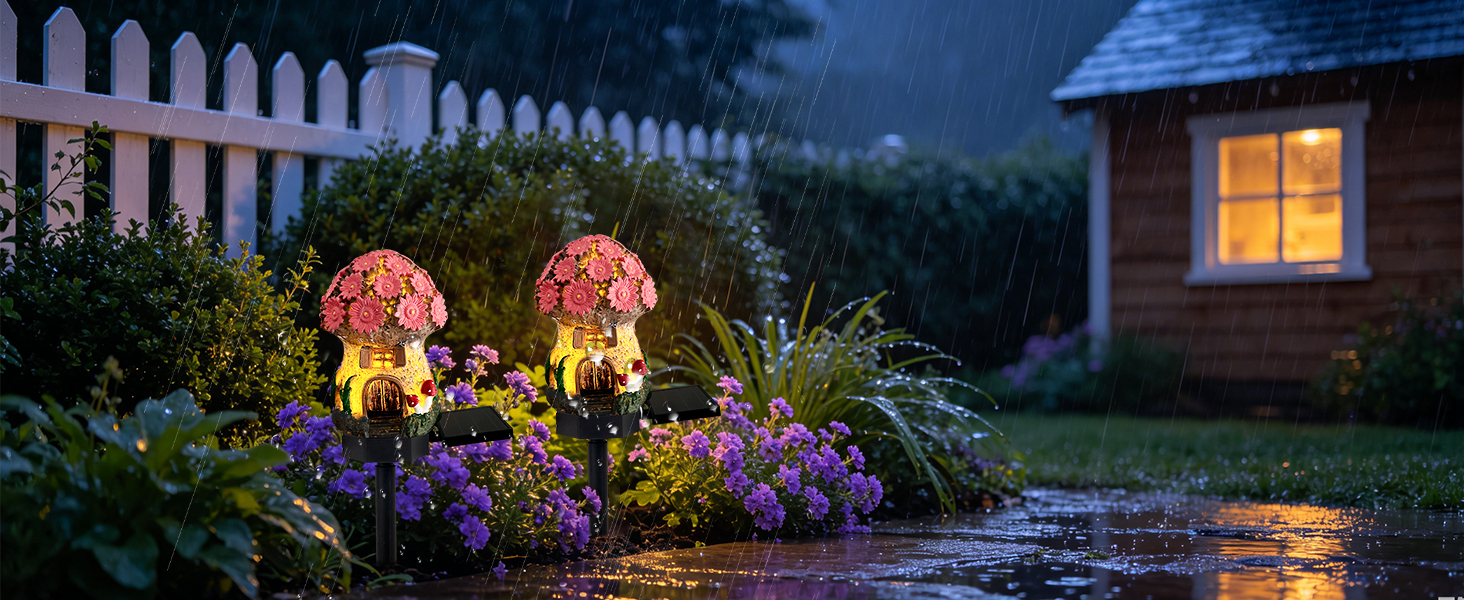
If path lights are practical, solar figurine lights are pure delight. These decorative pieces combine sculpture and illumination. You will find glowing turtles, mushrooms, owls, fairies, angels, cats, and seasonal characters. During the day, they act as garden art. At night, they cast a soft, colorful glow that makes a patio, porch, or flower bed feel magical.
- Garden whimsy: Place a fairy near ferns or a turtle beside a pond.
- Holiday charm: Switch to snowmen, pumpkins, or bunnies as seasons change.
- Kid-friendly: Low heat and no cords make them safer around children and pets.
- Gift-ready: They are thoughtful presents for gardeners, grandparents, and new homeowners.
Where Solar Figurine Lights Shine Brightest
Figurine lights work best as accents, not as your only light source. Use them to draw attention to a favorite plant, a quiet bench, or a welcoming doorway. Because they are decorative, they can be grouped for a storybook effect or placed alone as a surprise.
- Porch steps: A small glowing animal adds charm without glare.
- Flower beds: Tuck a mushroom light between perennials for hidden sparkle.
- Ponds and patios: Reflection doubles the glow and creates calm.
- Tree bases: Use larger figurines to anchor a garden bed or border.
Designing a Layered Outdoor Lighting Plan
The best outdoor spaces use layers. Solar path lights provide the base, while solar figurine lights add accents and conversation pieces. You can also mix in string lights, lanterns, or wall-mounted solar sconces if you want more brightness. The goal is balance: enough light to move safely, but not so much that you lose the cozy night atmosphere.
- Start with function: Light steps, driveways, and dark corners first.
- Add focal points: Use figurine lights near trees, benches, or garden statues.
- Create warmth: Choose warm-white LEDs for paths and soft multicolor for decorations.
- Edit later: Live with the layout for a week, then move lights that feel too bright or hidden.
Common Mistakes to Avoid
Even simple solar lighting can disappoint if it is placed poorly. A little planning prevents most problems.
- Putting lights in shade: Solar panels need direct sun, not dappled light.
- Choosing cool-white everywhere: Blue-white light can feel harsh in gardens.
- Ignoring scale: Tiny lights disappear in large beds; oversized ones overwhelm small paths.
- Forgetting winter care: Snow and ice can block charging or crack fragile decorations.
Choosing Quality Solar Lights Without Overpaying
Not all solar lights are created equal. Look for replaceable batteries, glass or durable resin housings, and panels that face upward without being shaded by the fixture itself. Waterproof ratings such as IP44 or higher are helpful in wet climates. If a light claims to run for twelve hours, read reviews to see whether it actually lasts through a long winter night.
You do not need to buy the most expensive set. Instead, buy a small number of well-reviewed lights and test them in your yard. A few strong performers will look better than a dozen weak ones.
Maintenance and Seasonal Tips
Solar lights are low-maintenance, but they are not maintenance-free. Wipe solar panels with a damp cloth every few weeks, especially after pollen season or dusty winds. Remove leaves and snow so charging continues. In extreme cold, bring fragile figurine lights indoors if the manufacturer recommends it. If brightness fades, replace the rechargeable battery before replacing the whole fixture.
Final Glow
Outdoor lighting can change how you use your yard. Solar path lights make evening walks safer and more beautiful, while solar figurine lights add joy and personality. With a little planning, you can create a landscape that welcomes you home, extends your evenings outside, and shines without wiring, waste, or worry. Start with one path, one flower bed, or one glowing turtle—and let the light lead the way.
Comments are closed